
Understanding the psychological triggers that influence casino behavior
The Allure of the Casino Environment
The casino environment is meticulously designed to capture attention and evoke excitement. Bright lights, vibrant colors, and a mix of sounds create an engaging atmosphere that stimulates the senses. This sensory overload can lead to heightened emotional states, making it easier for individuals to lose track of time and money. Many casinos employ psychological techniques, such as placing games in clusters, to encourage players to explore and partake in more activities, intensifying the feeling of exhilaration. In the online space, platforms like Westace casino are revolutionizing how players engage with games.

Furthermore, the layout of casinos is intentionally confusing. By making navigation less straightforward, players may feel compelled to stay longer, believing they might stumble upon a winning game. This strategic placement of games, along with the absence of clocks and windows, prevents players from recognizing the passage of time, encouraging prolonged gaming sessions. As a result, patrons often find themselves immersed in a world that prioritizes entertainment over responsibility.
The social aspect of casinos also plays a crucial role in influencing behavior. Interacting with other players, along with the presence of live dealers, fosters a sense of community and shared excitement. This social reinforcement can heighten the thrill of gambling, making it feel less like a solitary activity and more like a collective experience. Such environments can amplify emotional responses, which may contribute to increased spending and time spent gambling.
The Impact of Reward Mechanisms
One significant psychological trigger in casino behavior is the reward system implemented in gambling activities. Casinos often utilize variable-ratio reinforcement schedules, where players receive rewards after an unpredictable number of attempts. This technique taps into the brain’s reward circuitry, stimulating the release of dopamine—a neurotransmitter associated with pleasure and reward. The unpredictability of winning creates a compelling urge to continue playing, reinforcing behavior that may lead to addiction.
Moreover, casinos frequently offer bonuses and promotions, which serve as additional incentives for players to engage further. These bonuses can create an illusion of increased value, encouraging players to wager more than they initially planned. The anticipation of receiving bonuses activates the same psychological mechanisms as traditional rewards, making it challenging for players to resist the lure of additional games or larger bets. This manipulation of reward systems can be a double-edged sword, leading to greater excitement but also significant financial risks.
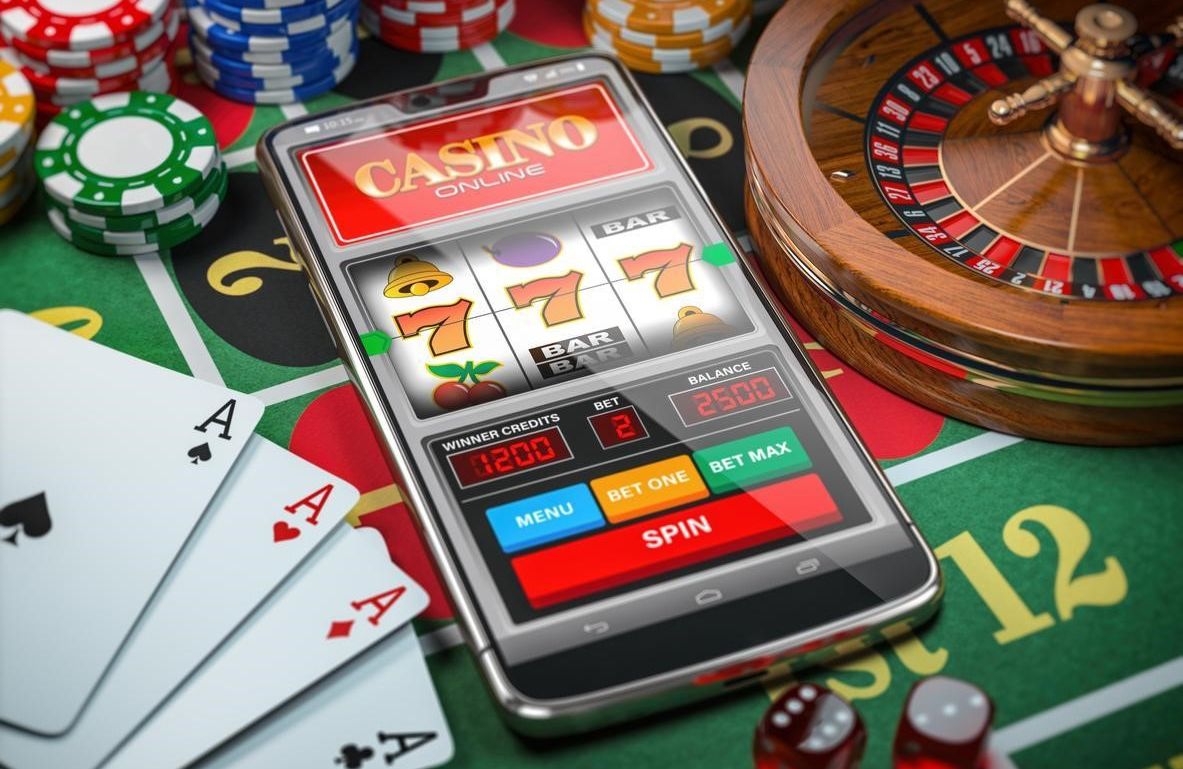
Casinos also leverage psychological triggers by showcasing near-misses as victories. Players who nearly win—such as hitting two out of three matching symbols—are often more motivated to continue playing. This phenomenon exploits cognitive biases, making individuals feel closer to success, which can lead to increased engagement and spending. By highlighting these near-wins, casinos create a sense of optimism and hope, pushing players to chase elusive victories further.
The Role of Cognitive Biases
Cognitive biases significantly influence gambling behavior, leading players to make irrational decisions. One prominent bias is the illusion of control, where players believe they can influence the outcome of random events, such as rolling dice or spinning a slot machine. This belief can drive individuals to adopt risky betting strategies, convinced that their choices impact the game’s results. As a result, players often underestimate the randomness of games, leading to increased engagement and potential losses.
Another common bias is the gambler’s fallacy, where individuals assume that past outcomes will affect future results. For instance, a player might believe that a slot machine is “due” for a win after a series of losses. This misunderstanding of probability can lead to prolonged gambling sessions as players chase perceived winning streaks. The nature of casino games, which are designed around randomness, makes this bias particularly harmful, as it fosters unrealistic expectations and can contribute to financial difficulties.
Furthermore, the sunk cost fallacy impacts gambling behavior significantly. Players often continue to gamble to recover losses, leading them to invest more money and time than initially planned. This emotional attachment to previous bets can cloud judgment, driving players to make increasingly risky choices. Understanding these cognitive biases is essential for recognizing patterns that may lead to compulsive gambling, highlighting the need for responsible gaming practices.
Online vs. Offline Gambling Dynamics
The rise of online gambling has introduced new psychological dynamics compared to traditional offline casinos. Online platforms often create a solitary gambling experience, which can intensify feelings of isolation and lead to increased spending. The convenience of online gambling, combined with the anonymity it provides, can encourage players to gamble more frequently and in larger amounts, as they might feel less accountable than in a physical casino.
Moreover, online casinos utilize advanced algorithms and targeted advertisements to personalize the gaming experience. These technologies analyze player behavior and preferences, allowing casinos to tailor promotions and games that resonate with individual users. This level of customization can significantly increase engagement, as players are continuously drawn to experiences that align with their interests. The persuasive nature of these tactics highlights the psychological pull of online gambling, often leading to impulsive decisions.
However, online gambling does provide opportunities for responsible gaming measures, such as setting limits on deposits and time spent on the platform. These tools aim to counteract some psychological triggers that drive excessive gambling behavior. Understanding the differences between online and offline gambling is critical for developing strategies that promote healthier gaming habits and mitigate potential risks.
Exploring Westace Casino’s Approach to Responsible Gaming
Westace Casino, launched in 2023, embodies a commitment to providing a safe and enjoyable online gaming experience. The platform offers a diverse range of games, including slots, live dealer options, and sports betting, all within a licensed and secure environment. One of the standout features of Westace is its emphasis on responsible gaming, providing tools and resources that empower players to manage their gambling habits effectively.
The casino offers a generous welcome bonus for new players, including up to €15,000 and 400 free spins across initial deposits. While this promotion is enticing, Westace prioritizes player welfare by encouraging users to set limits on their deposits and playtime. This proactive approach to responsible gaming ensures that players can enjoy the thrill of gambling without succumbing to unhealthy behaviors associated with excessive play.
Westace Casino’s dedication to customer support further enhances its reputation as a trustworthy platform. With 24/7 assistance, players can seek help with any inquiries or concerns they may have. This level of support fosters a safe environment where players can enjoy their gaming experience while being mindful of their limits, ultimately promoting a responsible approach to entertainment and gambling.
